
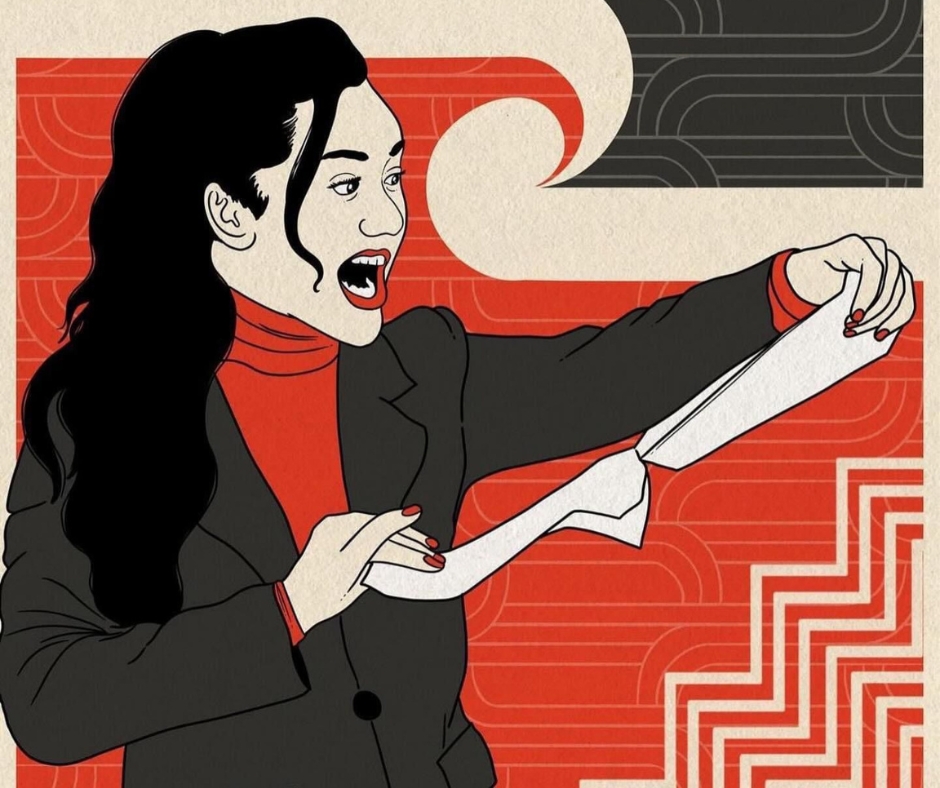

The day before we leave Wellington we walk with one of our co-creators from Aotearoa New Zealand Sex Worker Collective, my wife and I. She takes us to Marion Street, her corner and her reality many years later. She talks of Dame Catherine Healy her ask for her and others to join the Collective – paying fees for attendance at university – the work of the collective, jobs and housing.
We fly out the next day, over Volcanos and land in Auckland. We wait to pick up our campervan (we have a break and road trip planned). Here we meet the yet to be chief of our tribe. He’s Dutch, had no sleep, flew through China and has been waiting for six hours for his tiny, yet to be best friend van – he’s travelling both islands in nine weeks. We drive out of Auckland, six lanes deep, bridges high and traffic back to back.
We head to Tawharanvi National Park, its run by Auckland Council, Kiwis flightless and protected. Its quiet and the moon yet to be full, is beaming still and the stars twinkle but we can’t see the Plough – our conversations ‘are the stars and constellations the same here?’ We will meet the moon again later in our journey, Far North, full and smiling still.
We wake and its raining, like Wellington, its wet and mist sodden – we drive to Russell. Its long and includes our van on a ferry boat. At the Top Ten Holiday Park, fully powered, we set up camp, filling water and learning about the electrics, hooks and then we wander into colonialism. The town is pretty and picketed fences, houses ringed with roses and its sunny. We drink wine, look out to the Bay of many Islands. We decide to stay here two nights – visit the place where the British and Māori people signed a Treaty, Waitangi Treaty Ground across the bay.
We hear by text that there is a Hikio (protest/march) Māori people moving south as we head north.
We wake the next day and take the Happy bobbing ferry to Waitangi Treaty Ground. We book a cultural tour, and it includes a performance. Here we meet our new chief – he’s there in the crowd and they ask for a volunteer to be our (the audience) chief – he puts his young hand up and we follow him indoors, us, the majority white, the performers Māori – they sing and dance, talk us through a history – they are performers, and you can see them interact, playful and familiar, with us and each other – reminding us of lads and lasses from our streets and communities back home, yet Māori and different cultures but the same colonialism.
We take the tour after, see long canoes built with skill and craftsmanship. Hear of arrivals, migration and land. The tour guide explains the three flags high, a flagstaff with the current New Zealand flag, the British Union Jack and the original flag of the United tribes of New Zealand, seen for miles by many. How Russell was then known as a Hellhole, lawless, in need of law and the Crown sending James Busby, first British Resident and representative of the British Government. How flags back in the day were important, without one you would be seen as a pirate ship, goods seized and taken. How a flag told others about your identity.
The tour guide then talks about the Declaration and Treaty, saying that when the treaty was signed, it was at that moment that the rights of generations of Māori to come where signed away – to look at the Declaration, articles one and two. We talk to him later about the protest and people marching towards Wellington and Parliament. We ask about the flags, why those three and where is the Māori flag? He explains that in the 184yrs since the treaty was signed it has only been flown three times, and ‘look’ he says, ‘at the mast, it’s the Navy styled ship mast’.

We walk then into the Te Rau Aroha museum, opened in 2020. Te Rau Aroha is a term of respect given to the people who embody courage and service, it says. Its maiden exhibition is called The Price of Citizenship and it tells the story (reality) of what happened after the treaty was signed. To me it feels brutal, grim and full of land and rights stolen, of wars and betrayal.
Today the Māori people are marching, walking to Parliament and we read the newspaper, the Treaty Principles Bill has passed its first reading – its said that David Seymour, the Act Leader is dividing the country, racism and hate, fuelled….that he was pulling strings and running the country like the KKK. He says the interpretation of the Treaty is needed, that we are all equal, no-one should be treated differently. Willie Jackson, Labour MP, say ‘The Principles are clear – they are about partnership, they’re about equity, they’re about active protection and they’re about redress – Simple’. Its said he’s causing a distraction, away from the need for fair rents, housing and jobs (familiar story). A Haka happens in parliament and people are ejected.

We pack up and travel to the Far North next and we drive through four seasons, wind, rain, cold and then sunshine, beautiful land and gorgeous water, seas and oceans. We are at the Te Rerenga Wairua, – leaping off place, in Māori Culture and written about in Mycelial. Where the souls of the dead leave for the after life, Erana (from the play) talks about meeting her mum, how she is sitting on a branch, her hand held out for her to hold. Souls slide down the roots of the ancient potutuka-wa tree. At the far north I read a text from the team back home, Mycelial is echoing across the globe, shown there and here in Aotearoa. I hear the echoes of those we have worked with, the characters created and voices heard, the moon, her gravity, ancestors and spirits.
Tomorrow we drive back down, heading to Auckland
